
Bird Removal from Vents, Chimneys and Attics in Michigan
Help for birds nesting in a vent, chimney or soffit, starting with which bird it is.
Calls route by ZIP to an independent operator where one covers the address; where none does, they come to Local Core Group, which runs this site.
A bird nesting in a bathroom vent, a dryer vent or a gap in the soffit sounds like a small problem, and often it is. The question that decides everything is which bird it is. Starlings, house sparrows and rock pigeons are non-native, and the federal Migratory Bird Treaty Act does not cover them. Native migratory birds are protected under that Act, and so are their nests and eggs.
Can I remove a bird nest from a vent in Michigan?
It depends on the species. USFWS lists rock pigeons, European starlings and house sparrows among the birds the federal Migratory Bird Treaty Act does not cover. Native migratory birds are covered, nests and eggs included: a nest with eggs or young needs federal authorization before it is removed, while an inactive one can be removed without a permit if no one keeps it. State rules are separate, so ask the operator which state permits cover the work. Identify the bird first, and seal openings only after confirming no birds are inside.
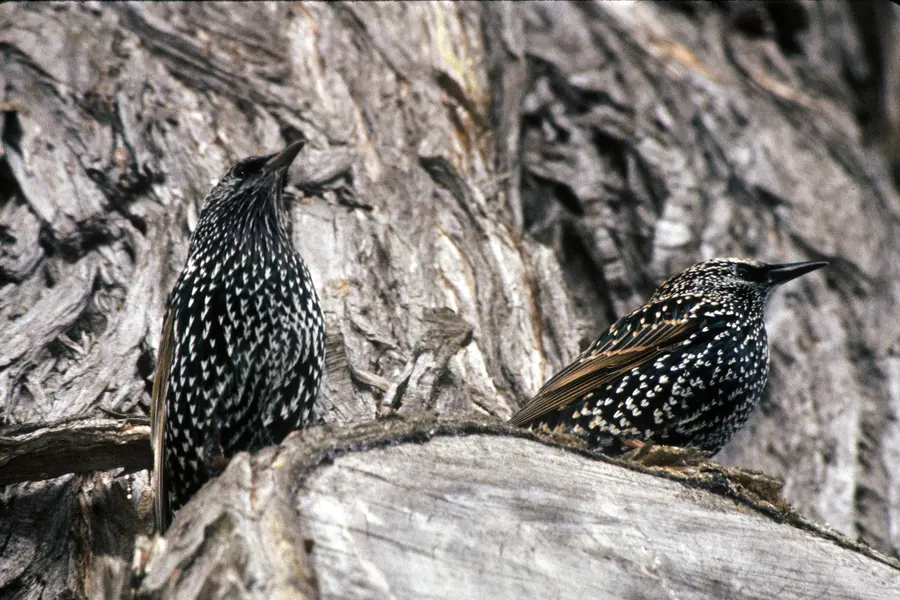
Which birds are protected and which are not?
Federal law splits them in two. The U.S. Fish and Wildlife Service’s updated list of birds the Migratory Bird Treaty Act does not protect includes the rock pigeon, and it places the house sparrow and the European starling in families the Act does not cover at all. All three are introduced species. The USDA’s invasive species center lists the starling as native to Eurasia and northern Africa and now common and widespread across North America, and a Forest Service study recorded starlings taking over or raiding the nests of five native bird species.
Native birds are a different matter. The Migratory Bird Treaty Act prohibits taking protected migratory birds without authorization from the U.S. Fish and Wildlife Service, and the Service’s guidance spells out that this covers the birds’ parts, nests and eggs. Since 2004 the Act applies only to species native to the United States, and the protected species are listed in federal regulation at 50 CFR 10.13. A USFWS nest memo draws the line a homeowner needs: destroying an in-use nest, one with eggs or young in it, requires federal authorization, while an inactive nest can be destroyed without a permit as long as no one keeps the nest or its contents.
| Bird | Covered by the Migratory Bird Treaty Act | What that means for a vent or soffit |
|---|---|---|
| European starling | No (USFWS) | No federal permit needed to clear the nest; seal the opening once no birds are inside |
| House sparrow | No (USFWS) | Same as starlings |
| Rock pigeon | No (USFWS) | Same as starlings |
| Native migratory birds (listed in 50 CFR 10.13) | Yes, nests and eggs included | A nest with eggs or young needs USFWS authorization; an inactive nest can be removed if no one keeps it |
State rules are a separate layer, covered below. If you cannot tell what the bird is, a clear photo of it at the opening settles the question on the call.
What are the signs of birds in a vent or soffit?
Check the places a bird can get in: vents, soffits, eaves and gaps along the roofline, and any vent that has lost its screen or cover. The National Park Service counts pigeons and other birds among the pests that get into buildings, and its guidance on closing up a building screens attic and crawl space vents with bug mesh or heavy wire, depending on the pest. A bird going in and out of one of those openings, or nest material showing behind a vent cover, is the sign to act on.
Timing matters when the bird is native. A USFWS nest memo recommends doing work outside the nesting season, because that lowers the risk of harming a protected bird, and treats a nest with eggs or young as in use. If a nest is active, identify the bird before anything is moved.
If the noise is in the attic rather than a vent, the noise guide helps narrow down the animal.
What does bird removal from a vent involve?
- Identify the bird. Starlings, house sparrows and rock pigeons fall outside the Migratory Bird Treaty Act. A native migratory bird’s nest with eggs or young needs USFWS authorization before it is removed, so leave it and check with the U.S. Fish and Wildlife Service.
- Make sure no birds are inside. The National Park Service’s order for closing up a building is to get the animals out first, then seal off their access.
- Clear the nest material from the vent or duct so air moves again.
- Cover or seal the opening. Vents get a guard or screen rather than a solid seal, so they keep venting. For a hole in siding with a hollow space behind it, the Park Service’s rodent-proofing manual uses thin galvanized sheet metal, painted. It notes that aluminum keeps out birds other than woodpeckers, but that mice, rats and squirrels can gnaw through it.
- Ask about roosting ledges if pigeons also gather on the house: what would be fitted there, and how it would be attached.
Who is allowed to remove birds in Michigan?
Federal law answers part of it. For a native migratory bird, the rules above apply, and a nest with eggs or young needs USFWS authorization. For starlings, house sparrows and rock pigeons the federal Act does not apply, but USFWS notes that states and communities may still protect non-native, introduced species at their discretion. Before work starts, ask the operator which state permits cover bird work in a building; for Michigan’s rules, see the DNR’s wildlife damage and nuisance control permits page. Either way, ask the operator which bird it is and whether any are still inside before an opening is sealed.
Are bird droppings in the attic a health concern?
In quantity, yes. Histoplasmosis comes from breathing spores of a fungus that spreads in bird and bat droppings mixed into soil, the CDC explains. Most people who breathe the spores do not get sick, but adults over 55 and infants are at higher risk. The National Park Service warns that pigeon and bat droppings damage wood finishes and can be a serious, sometimes deadly, health hazard. The CDC advises that large amounts of bird or bat droppings be cleaned up by companies that specialize in hazardous waste removal. A few droppings at a vent cover are a different scale from years of pigeon roosting in an attic, and the cleanup should match.
Common questions
Is it legal to remove a starling nest from my vent?
Under federal law, yes. USFWS lists the European starling, the house sparrow and the rock pigeon among the birds the Migratory Bird Treaty Act does not cover. USFWS also notes that states and communities may protect non-native birds, so ask the operator which state permits cover the work. Make sure no birds are inside before the opening is closed, and fit a vent guard rather than blocking the vent outright.
What if the bird in my vent is a native species?
Native migratory birds are protected by the federal Migratory Bird Treaty Act, and the protection covers their nests and eggs as well as the birds. Under a USFWS nest memo, destroying a nest with eggs or young in it requires federal authorization; once the nest is inactive, it can be removed without a permit as long as no one keeps the nest or its contents. Until then, leave it alone and check with the U.S. Fish and Wildlife Service.
Can birds in a dryer vent cause problems?
They can block it: nest material in a dryer vent stops the air moving, so the nest has to come out. If the bird is a starling, house sparrow or rock pigeon, which the federal Migratory Bird Treaty Act does not cover, and no birds are inside, federal law does not stand in the way of clearing the nest. The opening then gets a guard that keeps birds out while still letting the vent work.
Sources for this page
Each rule and figure on this page comes from one of these pages, read on the date given. Agency guidance is described as guidance; it is not presented as law.
- List of Bird Species To Which the Migratory Bird Treaty Act Does Not Apply (85 FR 21262, April 16, 2020)USFWS (Federal Register)
- Migratory Bird Treaty Act of 1918USFWS
- Migratory Bird Permit Memorandum MBPM-2-02: Authorizations to take migratory bird nests and contents (January 15, 2025)USFWS
- Service Publishes Final List of Non-Native Bird SpeciesUSFWS
- European Starling (species profile)USDA National Invasive Species Information Center (National Agricultural Library)
- Nest defense behaviors of native cavity-nesting birds to European Starlings (Olsen, Purcell, Grubbs; PSW-GTR-217, 2008) - Treesearch abstractUSDA Forest Service (Pacific Southwest Research Station)
- Migratory Birds | SpeciesUSFWS
- Preservation Brief 31: Mothballing Historic Buildings (Sharon C. Park, September 1993)NPS
- Rodent Exclusion Manual. Mechanical Rodent Proofing Techniques: a training manual for National Park Service Employees (Badzik, DiSalvo, Buttke, Chase; September 2014; 2019 accessible version)NPS (Natural Resource Stewardship and Science)
- About HistoplasmosisCDC
- Reducing Risk for HistoplasmosisCDC
Michigan DNR pages
Linked for further reading. This page does not quote them or rely on them for its facts.
Accuracy and corrections
- Last reviewed
- , by Local Core Group, which runs this site
- How pages are made
- How this site's pages are written and checked
- Sources
- All sources and the dates they were read: sources page
This page is general information for Michiganders, not legal advice. Rules are taken from the agency that publishes them and linked to its own page; agency guidance is labeled as guidance, not law. Rules and guidance change, so check the linked page, the DNR or your local health department before acting on anything time-sensitive.
Corrections. If a rule, number or contact here is out of date, point to the agency page that shows it through the request form or by calling 616-512-2425. Each correction is checked against the source, and the page is dated when it changes.
Often comes up alongside this
Wildlife Exclusion and Entry-Point Sealing
One-way doors, then sealing every gap with durable material. The part of the job that stops a repeat.
Exclusion & sealing →Attic Cleanup, Insulation and Damage Repair
Droppings, guano and soiled insulation, plus the repairs to entry points.
Cleanup & repair →Bat Removal and Exclusion
Many bats are federally protected, and the work is exclusion, timed around the summer maternity season.
Bats →Request help with birds in a vent or chimney
Say what you are hearing or seeing and where. The call goes by ZIP to an independent wildlife control operator where one covers the address, and price and timing are set on that call.